
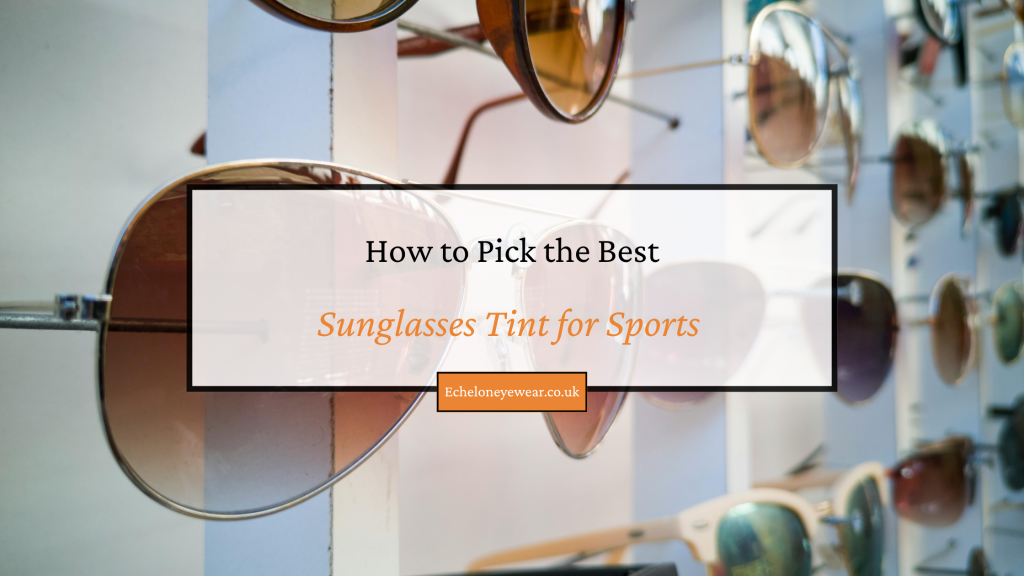
Brand, frame style, price…these aren’t the only things to think about when shopping for sports sunglasses. These days, sunglasses come in a range of different lens tints and each have their pros and cons, particularly in sports. Picking the best sunglasses tint specifically for your sport will help you perform at your best, feel more comfortable, and reduce eye strain and fatigue.
Sports sunglasses tints aren’t just about personal colour preference. Lens tints can alter contrast, colour clarity, your ability to see over distances, glare reduction, and even how well you can see in sunny vs. overcast conditions. So before you simply pick your favourite colour, let’s look at how some of the most popular lens tints perform when playing sports.
Brown-tinted sunglasses
Brown or amber-tinted sunglasses are a popular choice for increasing vision sharpness and contrast. This tint absorbs more blue light than other colours, making your ability to spot details much easier.
Best for visual clarity, brown tints are recommended for sports where judging distance or uneven terrain are important – such as golf or mountain biking.
Grey/black sunglasses
A good all-rounder, grey-tinted lenses (sometimes called ‘black’ tints) are the most commonly used sunglasses lens tint. This tint reduces light evenly and won’t change the perception of colours much.
Grey-tinted lenses in sunglasses also offer good protection from glare, making it ideal for outdoor sports in sunny conditions like cycling, running, or team sports.
Green-tinted lenses
Green tints in sunglasses are best used in bright, sunny conditions as it’s one of the best tints for reducing glare. But if you’ll be in lower light conditions like cloudy weather, it might be one to avoid since this tint will make everything look darker.
Yellow-tinted sunglasses
Yellow lenses are preferred in low-light conditions because of their ability to enhance light and provide greater contrast. Think cycling in the early evening or later fishing trips.
One of the downsides of yellow sunglasses lenses is that they can distort colours. If you need colour clarity to spot moving targets like a ball in the distance or rough terrain, another tint might be best.
Blue-tinted lenses
Blue lenses can improve colour clarity while reducing glare, making them another good choice for lots of different sports. However, blue lenses aren’t thought to have any specific benefits over other tints, making them more of a fashion choice.
Pink/purple-tinted lenses
Pink or purple lenses can help to dull the colour green while enhancing the clarity of other colours. For golf enthusiasts or clay target shooters, dulling the colour of grass banks or trees can help you spot your target in the distance.
Which tint is right for you?
Best sunglasses tint for golf
Try pink, purple or brown tints for enhanced contrast and help seeing across larger distances. When you’re out on the green searching for the ball, these sunglasses tints could give you an edge during your games.
Best sunglasses tint for cycling
Grey lenses will keep your rides safe and comfortable due to their ability to reduce brightness without much colour distortion. They’re also a great pick for other sports or day-to-day wear.
But if you’ll be cycling in low-light conditions such as early mornings or evenings, opt for lenses with yellow or rose-coloured lenses to improve clarity.
Best sunglasses for running

Grey, brown or yellow sunglasses tints are the best picks for running enthusiasts. But first consider the typical weather you’ll be running in. A regular runner all-year round might need a more versatile tint than someone who prefers a jog only in sunny months.
Best sunglasses for fishing

Your top priority is a pair of sunglasses that make it easier to see below the water and also reduce glare from the water’s reflection. Go for tints like brown or grey to reduce uncomfortable glare and enhance contrast.
Best sunglasses for skiing/snowboarding

If you’re worried about flat light on the slopes, yellow-tinted lenses are a great pick for avid skiers or snowboarders. Yellow lenses can help you pick out more details about the terrain in dimmer light. For brighter sunlight, green or blue lenses help to reduce any extra glare on the snow.
Choosing the best sunglasses tint
The best sunglasses tint for your sport depends on a few different factors. Weather, vision priorities, and personal preferences are worth considering as you shop for your perfect pair.
For the best all-round options, we’d recommend grey or brown tints as they help to reduce glare without compromising on colour clarity. They’re also great for daily wear if you want a pair of glasses that serves you well both in sport and day-to-day.
Another thing to consider is whether you want polarised lenses. For more information, check out our blog post: Polarised vs Non-polarised Sunglasses: Which is the Best for Sports?
To shop our range of sports sunglasses, check out our golf, fishing, skiing, cycling, and running sunglasses.