
Table of Contents
- Why Your Running Glasses Keep Slipping
- Adjust Your Frame Fit for Running
- Anti-Slip Nose Pads for Sunglasses
- Silicone Ear Hooks for Glasses
- Best Sports Glasses for Running
- Additional Grip Solutions and Maintenance
- Frequently Asked Questions
Last Updated: September 23, 2026
Why Your Running Glasses Keep Slipping
Running glasses slip for a simple reason: sweat, movement, and gravity work together to push frames down your nose. When you’re moving fast, your head tilts forward slightly. Sweat makes surfaces slippery. The frames lose grip.
Most runners accept this as normal. It’s not. A properly fitted pair of running glasses should stay put through intense training, sprints, and hill repeats.
The real culprit is usually one of three things: the frame doesn’t match your face shape, the nose pads have worn smooth, or the ear pieces aren’t tight enough. Each problem has a straightforward fix.
At Echelon Eyewear, we work with athletes who’ve tried multiple pairs of running glasses, only to find them sliding down mid-run. The good news is that running glasses slipping is entirely preventable. Understanding what’s actually causing the slip, then addressing it directly, can often resolve the issue.
Adjust Your Frame Fit for Running
The foundation of any secure pair of running glasses starts with proper fit. Frames that sit too loose on your face will slip, no matter what else you do.
Start by checking the bridge fit. Place your glasses on your nose without pushing them up. They should rest naturally without sliding. If they slip immediately, the bridge is too wide for your face shape.
Next, examine the temple arms. These are the parts that hook over your ears. They should curve snugly around your ears without pinching. If the temples are too loose, your frames will slide backward when you move. If they’re too tight, they’ll cause discomfort and you’ll unconsciously adjust them constantly.
Many runners don’t realise that frame fit changes slightly when you sweat. Dry skin grips differently from moist skin. This is why a pair that feels perfect in a shop might slip during your first run.
Here’s what to check:
- Bridge width: Should sit flush against the bridge of your nose with no gaps
- Temple angle: Should follow the curve of your head from ear to temple
- Nose pad placement: Should contact your nose evenly on both sides
- Overall frame size: Should match your face width (frames shouldn’t extend beyond your temples)
If your current frames don’t fit these criteria, consider getting them professionally adjusted. Most opticians can bend the temples slightly or adjust nose pads at minimal cost. For running glasses specifically, ask your optician to angle the temples slightly downward. This helps counteract the forward head tilt that happens during running.
Anti-Slip Nose Pads for Sunglasses
Nose pads are where most of the grip happens. Over time, they wear smooth and lose their grip. Replacing them is one of the easiest fixes for running glasses slipping.
Standard plastic nose pads flatten after months of use. They become slippery, especially when wet. Silicone or rubber nose pads offer significantly better grip, even when covered in sweat.
Many sports eyewear brands offer replacement nose pad kits. These typically cost very little and take minutes to install. Simply remove the old pads and snap or glue the new ones in place. Some pads are adhesive-backed. Others clip into place.
Look for nose pads made from:
- Silicone: Grips well when wet, stays flexible in heat, lasts longer than plastic
- Rubber: Excellent grip, slightly stiffer than silicone, good for high-intensity activity
- Gel-infused materials: Grip improves when moist, perfect for sweaty conditions
The thickness matters too. Thicker pads provide more surface area for grip. If your frames allow it, upgrade to slightly thicker pads than the originals.
For prescription sports glasses, check that replacement pads don’t interfere with the lens edges. Some frames have limited space. In those cases, opt for thinner pads that still offer improved grip over the originals.
Silicone Ear Hooks for Glasses
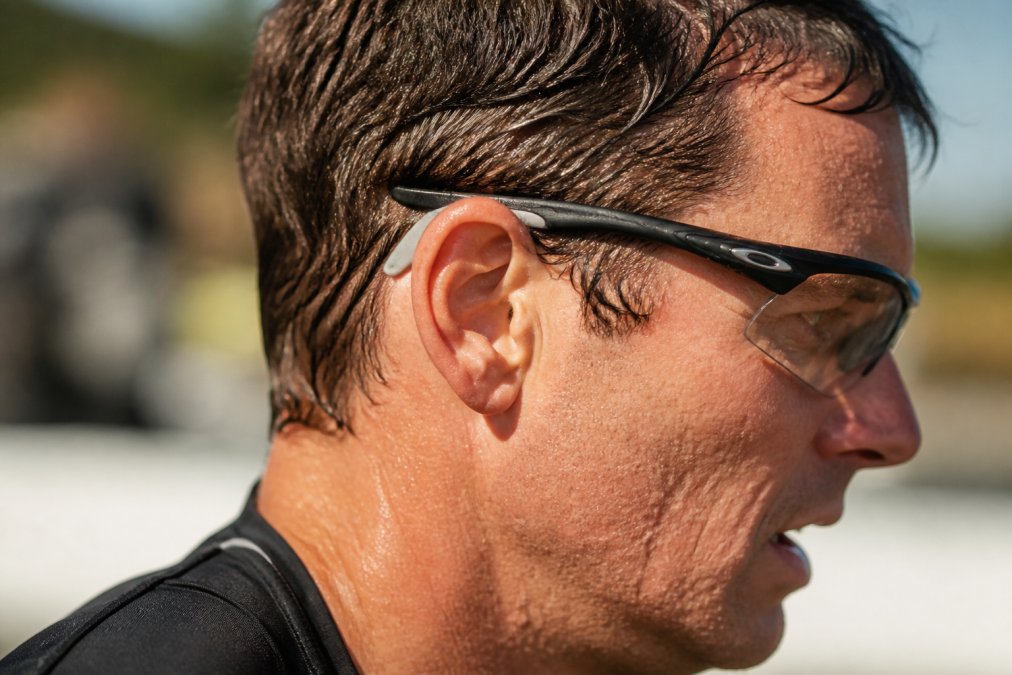
Ear hooks are the unsung heroes of secure running glasses. They wrap around the back of your ears and prevent frames from sliding backward during movement.
Standard glasses temples rely on friction alone. During running, especially when you’re sweating, that friction disappears. Silicone ear hooks add a mechanical grip that keeps frames locked in place.
Most sports glasses come with ear hooks already, but they vary in quality. Cheap ear hooks feel flimsy and offer minimal grip. High-quality silicone ear hooks are thick, textured, and conform to the shape of your ear.
If your frames don’t have ear hooks, you can add them. Universal silicone ear hooks are available and fit most standard glasses. They typically attach via small loops that slide over the temple tips.
When choosing or installing ear hooks, consider:
- Material: Silicone is more comfortable than hard plastic for extended wear
- Texture: Textured surfaces grip better than smooth ones
- Thickness: Thicker hooks stay in place better than thin ones
- Fit: Should wrap snugly around your ear without pinching
During a run, ear hooks should feel secure but not painful. If they dig in, they’re too tight or the wrong size. Adjust the fit or try a different style.
For glasses with removable ear hooks, keep a spare set. If one stretches out or loses grip, swap it out quickly.
Best Sports Glasses for Running
Not all sports glasses are created equal. The best running glasses combine secure fit, optical quality, and durability. They stay put during intense movement and protect your eyes from wind, sun, and impact.
When evaluating best sports glasses for running, look for these features:
- Wraparound design: Covers more of your face, reduces wind exposure, improves stability
- Adjustable nose pads: Lets you customise fit to your face shape
- Curved temples: Follow the natural shape of your head, reduce slipping
- Impact-resistant lenses: Protect against branches, stones, and crashes
- Ventilation: Reduces fogging during intense effort
- Lightweight construction: Less weight means less strain on your nose bridge
Echelon Eyewear specialises in premium prescription and non-prescription sports sunglasses for runners, cyclists, and other athletes. Our range includes frames designed specifically for high-intensity activity, with secure fit systems and optical precision.
For runners with prescription needs, prescription sports glasses from specialist providers offer a tailored solution. They combine your exact vision correction with frames engineered for stability and performance.
Consider your specific running conditions too:
- Road running in bright sun: Polarised or photochromic lenses reduce glare and eye strain
- Trail running: Wraparound frames with impact-resistant lenses protect against branches and debris
- Early morning or evening runs: Photochromic lenses adapt to changing light, amber or rose-tinted lenses improve contrast
- Open-water running or coastal trails: Salt water and salt spray require corrosion-resistant frames and coatings
Additional Grip Solutions and Maintenance
Beyond the main fixes, several other strategies improve grip and prevent slipping.
Sweatbands and temple grips are small adhesive strips that wrap around the temple arms. They increase friction and prevent frames from sliding. These are inexpensive and work well for runners who sweat heavily.
Anti-slip sprays are designed for glasses frames. They create a temporary textured surface that grips skin better. The effect wears off after a few weeks, so you’ll need to reapply. They work best as a temporary solution while you address the underlying fit issues.
Proper maintenance extends the life of your grip solutions. Clean your glasses regularly with mild soap and water. Dry them thoroughly before running. Sweat and dirt buildup reduces grip. If you notice reduced grip during a run, wipe your nose and the nose pads with a dry cloth or sweatband.
Check your frames regularly for damage:
- Bent temples: Reduce grip and comfort. Have them straightened by an optician
- Cracked nose pads: Lose all grip. Replace immediately
- Loose hinges: Cause frames to shift during activity. Tighten or have adjusted professionally
- Stretched ear hooks: Lose tension and slip. Replace or adjust
Store your glasses in a protective case when not in use. Frames that get knocked around lose their shape and fit.
For prescription sports glasses, treat them as premium equipment. They’re an investment in your performance and safety. Proper care keeps them functioning correctly for years.
Running glasses don’t have to slip. The right combination of proper fit, quality nose pads, and secure ear hooks can help keep your frames stable through any workout. If you’re currently struggling with running glasses slipping, starting by checking your frame fit and upgrading your nose pads can often help.
For athletes who need prescription correction, Echelon Eyewear offers sports glasses engineered for stability and optical precision. Our frames are designed with runners in mind, featuring adjustable components and secure fit systems that keep your vision clear and your glasses in place, whether you’re training hard or racing fast. Shop Now to find the perfect pair for your running goals.
Frequently Asked Questions
Why do my glasses keep sliding down when I sweat?
Sweat reduces friction between your skin and the frame materials, causing running glasses slipping to occur. The moisture breaks the grip that normally holds frames in place on the nose bridge and ears. Heat also causes your skin to expand slightly, widening the contact points. Frames that are too loose, worn-out nose pads, or smooth plastic materials without grip texturing all accelerate slipping. Anti-slip nose pads and secure ear hooks directly counteract this by creating friction even when wet.
Are there specific nose pads for sports glasses?
Yes. Anti-slip nose pads for sunglasses come in several types: silicone pads with textured surfaces for grip, foam-backed pads that absorb moisture, and adhesive replacements. Sports-specific pads are thicker and more durable than standard eyewear pads, designed to withstand sweat and movement. Many can be purchased as aftermarket replacements if your original pads wear out. Check your frame material first, some frames accept universal pads, whilst others need brand-specific replacements.
Do silicone ear hooks actually work for runners?
Silicone ear hooks for glasses are highly effective for running because they grip the ear without slipping, even when wet. Unlike smooth plastic arms, silicone has a textured surface that creates friction. They’re particularly useful for runners with smaller ears or those whose frames naturally slide forward during intense movement. Most hooks are adjustable and can be tightened or loosened to fit your ear shape. They add minimal weight and don’t interfere with headphones or running caps.
What makes best sports glasses for running different from regular prescription glasses?
Sports glasses for running feature wraparound designs that distribute weight across more contact points, reducing pressure on the nose bridge. They use lightweight materials, secure ear hooks, and textured nose pads specifically engineered for active use. Many include ventilation to reduce fogging and sweat buildup. Prescription sports frames also prioritise a wider field of view without excessive lens weight, and they’re built to withstand impacts and environmental stress from outdoor conditions.